Understanding the Basics of Poker
Before diving into the nuances of poker strategy, it is imperative to grasp the fundamental rules and gameplay mechanics, as well as to recognize that some players may prefer options like $20 neosurf casino australia real money for their betting activities. Poker is not just about luck; it involves a blend of skill, psychology, and chance. Familiarize yourself with the different game variants, such as Texas Hold’em and Omaha, each having its own unique set of rules. Understanding the hand rankings, betting structures, and the significance of position at the table will provide a solid foundation upon which to build your poker knowledge.
Another vital aspect is recognizing the flow of a poker game, which consists of the pre-flop, flop, turn, and river stages. Each betting round offers players the opportunity to analyze their hands and the community cards. Pay attention to the actions of your opponents during these stages, as they can offer valuable insights into their potential hands and strategies. By mastering these basics, you will position yourself as a more competent player in both casual games and competitive environments.
Additionally, actively participating in practice games, whether online or in person, enhances your understanding of poker dynamics. Observing how different players adjust their strategies based on various factors, including stack sizes and table image, will deepen your comprehension. Practice will not only hone your skills but also bolster your confidence, which is essential for making critical decisions during tense moments at the table.
Mastering Poker Strategy
Once you’ve grasped the basics, refining your strategy is the next logical step. Successful poker players analyze their own play as well as that of their opponents. Developing a robust pre-flop strategy is crucial; this involves knowing which hands to play based on your position and the tendencies of your opponents. Aggressive play can often force weaker hands to fold, while also building the pot when you have the better hand. Understanding when to be aggressive and when to be cautious can make a significant difference in your overall results.
In addition to your pre-flop strategy, mastering post-flop play is essential. This phase includes evaluating the community cards and adjusting your plan accordingly. Reading the board texture and determining how well your hand connects with it will help you assess your chances against opponents. Understanding concepts like pot odds and implied odds can also guide your decision-making process during these critical betting rounds, allowing you to maximize your winnings or minimize your losses.
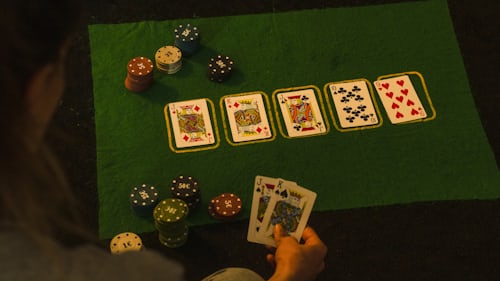
Furthermore, adjusting your strategy based on your opponents’ playing styles is fundamental. Every player has a unique approach, whether they are tight or loose, passive or aggressive. By categorizing opponents and adapting your strategy to exploit their weaknesses, you can consistently gain an edge. Employ tools such as bluffing judiciously and utilizing deceptive plays to confuse your opponents, which can lead to profitable outcomes when executed effectively.
The Importance of Bankroll Management
Bankroll management is often overlooked but is crucial for long-term success in poker. Establishing a dedicated poker bankroll and adhering to strict limits ensures that you can play within your means, protecting you from unnecessary financial strain. A recommended approach is to allocate a percentage of your total bankroll for specific games or stakes, allowing plenty of room for variance. This method of structured investment keeps your emotions in check and encourages you to make more rational decisions during gameplay.
Having a strong bankroll management strategy also involves recognizing when to move up or down in stakes. Playing at levels that challenge you while still allowing for comfortable losses is essential for maintaining a healthy bankroll. When experiencing a downswing, it may be wise to step down in stakes rather than risking your entire bankroll. This approach not only protects your finances but also gives you time to assess your play and make necessary adjustments.
Ultimately, good bankroll management is about discipline and planning. Tracking your wins and losses diligently can help you identify patterns and areas for improvement. Regularly reviewing your performance and adjusting your strategy based on your financial results helps cultivate a winning mindset. By treating poker as a long-term endeavor and understanding the financial implications of your play, you stand a better chance of achieving consistent success in the game.
Reading Your Opponents
In poker, the ability to read your opponents is vital. Observational skills can provide insights into their tendencies, emotional states, and potential ranges. Pay close attention to their betting patterns, timing, and body language. When you notice changes in an opponent’s behavior, it may indicate the strength or weakness of their hand. Developing this skill can be the difference between winning and losing crucial pots.

Furthermore, it’s essential to develop your own “table image.” How opponents perceive you can affect their decisions. If you establish yourself as a tight player who only bets strong hands, you may get more calls when you decide to bluff. Conversely, if you play too loosely, they might be less inclined to fold when you hold a strong hand. Thus, managing your image and leveraging it to your advantage is key.
Another facet of reading opponents is the practice of “profiling.” This involves categorizing players into specific types—such as aggressive, passive, or loose—and adjusting your strategy accordingly. For example, against an aggressive player, you might wait for strong hands to trap them rather than engaging in frequent bluffs. By tailoring your approach based on your observations, you can significantly enhance your success rate at the tables.
Conclusion: Navigating the Poker Landscape
Navigating the world of poker requires a well-rounded skill set, combining foundational knowledge, strategic mastery, and emotional intelligence. Success in poker is not merely about playing cards; it’s about understanding the game, managing your resources wisely, and honing your ability to read your opponents. As you continue to develop your skills and refine your strategies, remember that poker is as much a mental game as it is a physical one.
Engaging with the wider poker community through forums, books, and strategy discussions can provide further insights and alternative strategies, allowing you to adapt and grow as a player. Learning from both successes and failures is crucial; each game offers its own lessons that can contribute to your development. As you approach the felt, keep in mind that consistent practice and a commitment to growth will ultimately lead you to success.
Whether you’re a casual player or aiming for high-stakes tournaments, embracing the journey of learning and adaptation will not only make you a better player but also enrich your overall experience. As you navigate this exciting world, remember to enjoy the game, connect with fellow enthusiasts, and continually refine your strategies for better results on and off the felt.